
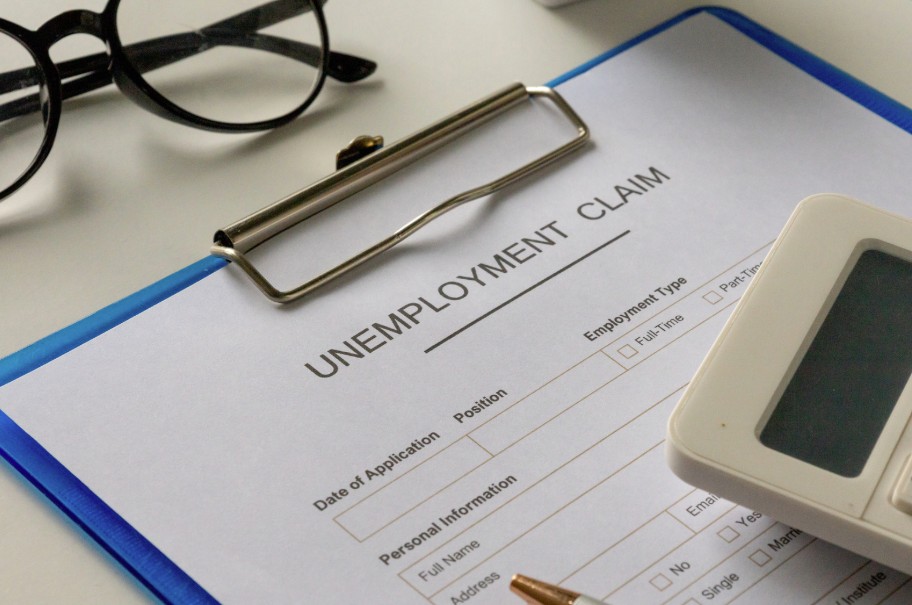
Employers often face questions about whether an employee can collect unemployment benefits after being terminated following FMLA leave. Because FMLA provides job protection but not guaranteed employment under every circumstance, the topic creates confusion for both employers and employees. Understanding how unemployment eligibility works after FMLA-related separations helps employers navigate compliance, limit liability, and communicate more clearly with employees during and after the leave process.
Understanding the Difference Between FMLA Protections and Employment Status
FMLA guarantees eligible employees the right to take unpaid, job-protected leave for qualifying medical or family reasons. However, this protection does not supersede legitimate business decisions unrelated to the leave itself. If an employee would have been terminated regardless of taking FMLA, such as during a layoff, position elimination, or documented performance issue, the law does not prevent the employer from proceeding with that action. This is often misunderstood, which can lead to incorrect assumptions about unemployment eligibility.
Unemployment, on the other hand, is based on state regulations and typically evaluates whether the employee was terminated through “no fault of their own.” Because these standards vary significantly by state, employers must understand the distinction between federal leave protections and state-level unemployment rules. An employee may still qualify for unemployment even after a lawful separation post-FMLA, depending on the circumstances surrounding the termination.
When Employees May Qualify for Unemployment After FMLA
In many states, an employee who is terminated after returning from FMLA may still qualify for unemployment if the termination is not related to misconduct. For example, if the employee was part of a company-wide reduction in force, the termination would likely be viewed as no-fault. Similarly, if the employee cannot immediately resume full duties due to lingering medical restrictions but the employer cannot accommodate those restrictions, some states consider the separation involuntary and therefore unemployment-eligible.
It is also possible for an employee to be approved for unemployment even when the employer believes the termination was performance-based. If documentation is not thorough or if the rationale appears connected to the employee’s leave, state agencies may side with the employee. This underscores the importance of detailed, consistent documentation throughout the FMLA process—something many employers reinforce through structured leave management tools, such as those offered by AbsencePlus.
When Unemployment Claims Are Typically Denied
Unemployment benefits are often denied if the termination results from misconduct, policy violations, or actions that show disregard for workplace standards. If an employee fails to follow return-to-work procedures, refuses to comply with medical certification requirements, or abandons their position after FMLA ends, these behaviors may disqualify them from receiving unemployment. The key factor is whether the employee’s conduct—not their leave—justified the separation.
However, employers must take care to distinguish between misconduct and inability to work. Many employees experience ongoing medical limitations after FMLA leave ends. While these limitations can affect job performance, they are not considered misconduct. If the separation is related to inability, rather than unwillingness, to perform essential job duties, unemployment agencies may approve benefits even when the employer denies reinstatement.
The Importance of Documenting Legitimate Business Reasons
Because FMLA prohibits retaliation, employers must clearly document any performance concerns, restructuring decisions, or disciplinary issues that existed prior to or separate from the employee’s leave. If documentation is vague or appears timed around the employee’s FMLA absence, unemployment agencies—and potentially legal counsel—may view the termination as retaliatory. Employers who proactively track performance issues and conduct evaluations consistently reduce the risk of FMLA-related disputes.
Many employers also find it beneficial to document the return-to-work process thoroughly. Notes regarding conversations about accommodations, job requirements, and the employee’s ability to resume work can help demonstrate that the termination was based on legitimate business needs rather than the exercise of FMLA rights. Accurate documentation helps support both legal compliance and administrative accuracy in unemployment determinations.
Communicating Clearly With Employees Before and After Leave
Clear and consistent communication plays a major role in reducing disputes over post-FMLA termination and unemployment eligibility. Employees who understand expectations, timelines, and job requirements are better prepared to transition back to work successfully. When employers outline how FMLA interacts with company policies—such as return-to-work evaluations, accommodation requests, and essential job functions—it creates transparency that lowers the likelihood of misunderstanding.
Employers should also communicate openly when business conditions may affect job security. If layoffs or restructuring are underway, employees on FMLA should be informed just as any other employee would be. Transparency ensures that decisions are viewed as fair and unrelated to leave. A consistent approach to communication strengthens trust, protects the organization legally, and creates a smoother experience for employees navigating challenging personal circumstances.
Unemployment Eligibility Depends on the Circumstances
Employees can sometimes collect unemployment after being fired following FMLA leave, but eligibility depends entirely on the circumstances surrounding the termination. Employers who document legitimate business reasons, maintain consistent communication, and apply FMLA regulations correctly are best positioned to avoid disputes and manage post-leave separations confidently. By understanding how FMLA and unemployment rules intersect, employers can make informed decisions that protect both their organization and their workforce.